DIY Retaining Wall Solutions for Landscaping Projects

Retaining walls. Essential. Functional. Stylish. Control soil. Prevent erosion. Define spaces. Boost curb appeal. Cost-effective. DIY-friendly. Concrete blocks. Durable. Versatile. Perfect for Darwin’s climate. Ready to transform your outdoor space? Let’s dive in.
DIY Retaining Wall Solutions - Basics
Materials. Concrete blocks. Timber. Stone. Concrete blocks - best balance. Strength. Longevity. Easy installation. No heavy machinery needed. Tools. Shovel. Level. Tape measure. Rubber mallet. Gravel. Drainage pipe. Planning. Measure slope. Calculate block quantity. Design height. Check local regulations. Safety first.
Choose block style: smooth, textured, or interlocking.
Prepare base: dig trench, add gravel, compact.
Lay first course: level, straight.
Stack blocks: stagger joints.
Add drainage: behind wall, prevent water pressure.
Backfill: gravel, soil.
Cap blocks: finish look.

Choosing the Right DIY Retaining Wall Solutions
Climate. Soil type. Slope steepness. Purpose. Garden bed? Driveway edge? Privacy? Each factor guides block choice. Concrete blocks resist Darwin’s heat and humidity. Lightweight blocks ease handling. Interlocking blocks add stability. Textured blocks enhance aesthetics.
For slopes over 1m, consider professional advice.
For garden beds, smaller walls suffice.
For heavy loads, reinforce with geogrid or steel rods.
Drainage critical in wet seasons.
DIY retaining wall blocks offer flexibility. Customise height, length, and style. Match existing landscaping. Save money. Gain satisfaction.
What is the easiest DIY retaining wall to build?
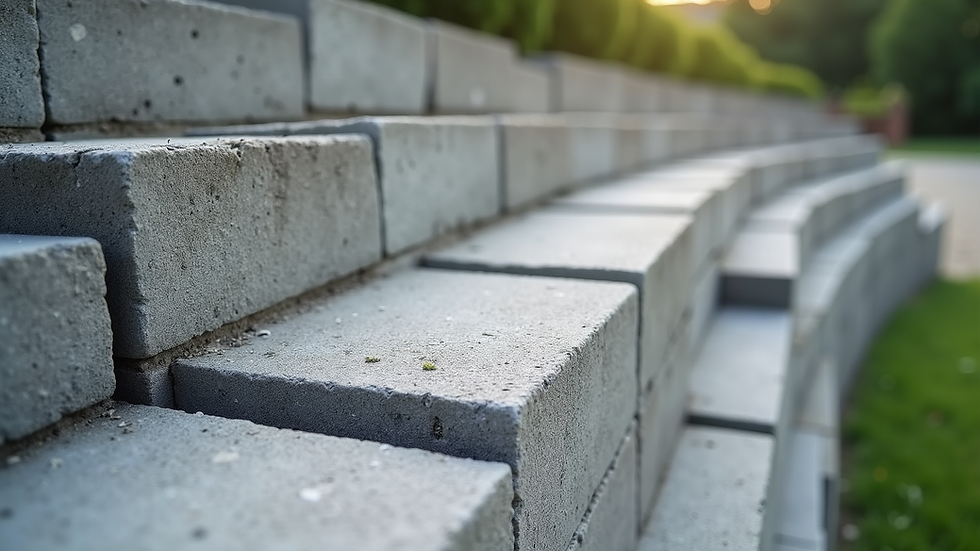
Stacked concrete block walls. No mortar needed. Blocks interlock or stack flat. Simple base prep. Quick assembly. Ideal for beginners. Low height walls (up to 600mm) safest. Use gravel base for drainage. Keep wall straight with level checks.
Avoid tall walls without reinforcement.
Use cap blocks for neat finish.
Add landscape fabric behind wall to stop soil mixing with gravel.
Regularly check for movement.
This method suits garden borders, small terraces, and pathways. Minimal tools. Minimal fuss. Maximum impact.

Step-by-Step Guide to Building Your Retaining Wall
Plan and design - Sketch layout. Measure slope. Calculate blocks.
Prepare site - Clear vegetation. Mark wall line.
Excavate trench - Depth depends on block size. Usually 150mm plus gravel.
Add gravel base - Compact firmly.
Lay first course - Level blocks precisely.
Stack subsequent courses - Stagger joints. Check level.
Install drainage - Perforated pipe behind wall base.
Backfill - Gravel first, then soil.
Cap wall - Secure caps with adhesive if needed.
10. Clean site - Remove debris. Water soil to settle.
Tips: Wear gloves. Work with a partner. Take breaks. Use a rubber mallet for block adjustment. Check local council rules for wall height limits.
Maintenance and Longevity Tips
Inspect wall annually. Look for cracks, bulges, or leaning. Clear debris from drainage. Remove weeds. Refill soil if settling occurs. Seal blocks if desired for extra protection. Avoid planting large trees near wall base. Water drainage areas during heavy rain.
Proper maintenance extends life. Keeps wall safe and attractive. DIY retaining wall blocks built well last decades.
Final Thoughts on DIY Retaining Wall Projects
Affordable. Practical. Customisable. DIY retaining walls transform outdoor spaces. Concrete blocks offer strength and style. Follow steps carefully. Prioritise drainage. Keep safety in mind. Enjoy the satisfaction of building your own landscape feature.
For quality materials and expert advice, check out diy retaining wall blocks from local suppliers. Support local. Build smart. Create beauty.


Comments