Decorative Concrete Blocks: Design Options

Concrete blocks. Strong. Durable. Versatile. Essential for modern construction.
Aesthetic appeal. Functional design. Endless possibilities.
I explore architectural concrete blocks. One powerful tool for creative building.
Decorative Concrete Blocks: Styles and Textures
Variety matters. Surface finishes transform plain blocks into design statements.
Smooth finish: Clean, modern, minimalist. Perfect for sleek facades.
Split face: Rough, natural stone look. Adds texture and depth.
Exposed aggregate: Pebbles and stones visible. Rugged, tactile.
Ribbed or fluted: Linear grooves. Vertical or horizontal emphasis.
Sandblasted: Matte, weathered appearance. Subtle elegance.
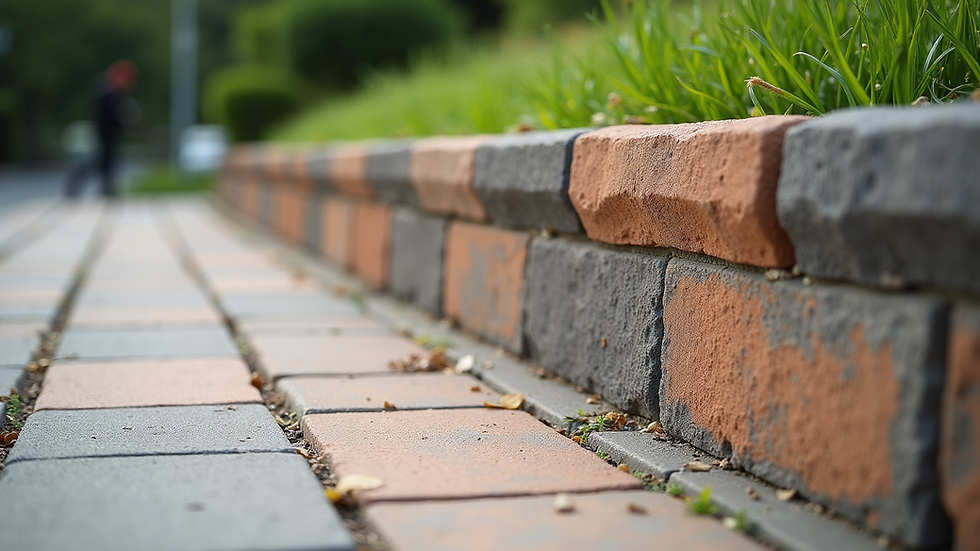
Colour options expand design freedom. Grey, charcoal, cream, terracotta. Custom tints available.
Mix textures and colours. Create patterns. Break monotony.

Shapes and Sizes: Beyond the Standard Block
Standard blocks: 390mm x 190mm x 190mm. Reliable. Easy to source.
But design demands more. Custom shapes unlock creativity.
Corner blocks: Smooth transitions on edges.
Bullnose blocks: Rounded edges for softer look.
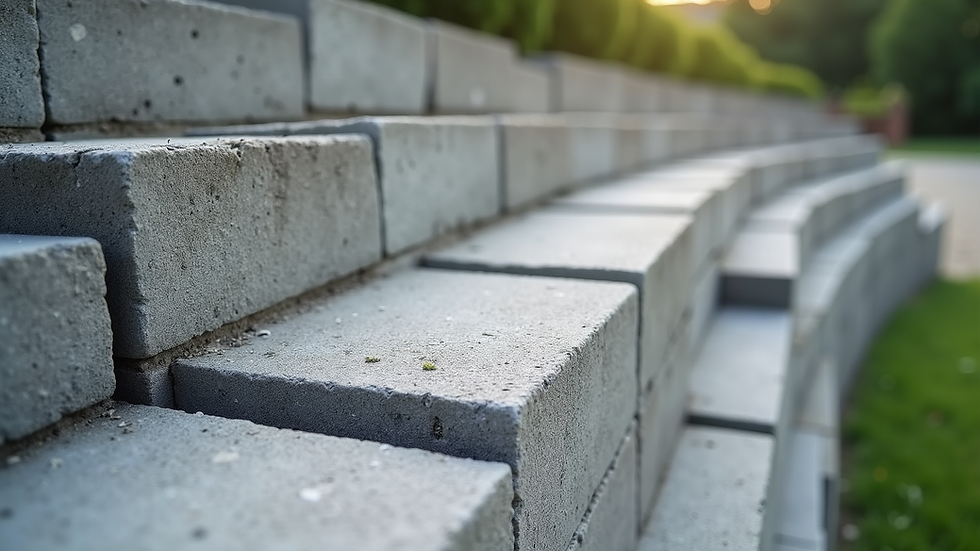
L-shaped blocks: Retaining walls, garden beds.
Interlocking blocks: Stability without mortar.
Hollow blocks: Lightweight, insulation-friendly.
Large format blocks reduce joints. Sleek, modern appearance.
Stacking patterns influence style. Running bond, stack bond, basket weave.
Colour and Finish Combinations
Colour + texture = impact.
Monochrome schemes: Uniform colour, varied texture.
Contrasting colours: Highlight features, create focal points.
Gradient effects: Subtle colour shifts for dynamic walls.
Two-tone blocks: Split colour blocks for bold statements.
Finishes affect light reflection. Matte absorbs light. Glossy reflects.
Use colour to complement landscaping or building materials.
Practical Applications and Recommendations
Where to use decorative concrete blocks? Everywhere.
Retaining walls: Stability + style.
Garden beds: Define spaces with flair.
Feature walls: Indoor or outdoor focal points.
Fencing: Privacy with design.
Commercial facades: Professional, durable, attractive.
Installation tips:
Choose blocks suited to climate - Darwin’s tropical conditions demand durability.
Use quality mortar for longevity.
Plan drainage for retaining walls.
Combine with plants for natural contrast.
Maintenance: Low. Occasional cleaning. Inspect joints yearly.
Design Inspiration and Final Thoughts
Concrete blocks are blank canvases.
Mix textures, shapes, colours.
Create bold, subtle, or classic looks.
I trust architectural concrete blocks for quality and variety.
Explore options. Experiment boldly. Build with confidence.
Your project deserves the best foundation and style.
Concrete blocks. Design unleashed.


Comments