Concrete Garden Edging Blocks for Landscaping

Sharp. Clean. Defined.
Borders matter.
Landscapes demand structure.
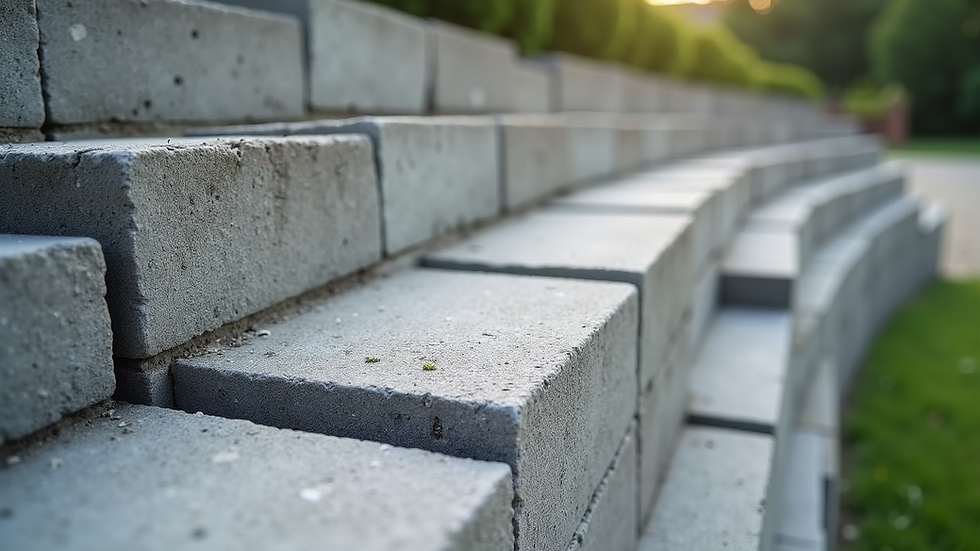
Concrete garden edging blocks - the silent heroes.
Strong. Durable. Affordable.
I’ve seen gardens transform.
Messy edges become neat lines.
Paths and flower beds gain character.
Concrete garden edging blocks do the job.
Why Choose Garden Edging Blocks?
Control.
Shape.
Style.
Garden edging blocks create boundaries.
Stop soil erosion.
Keep mulch and gravel in place.
Prevent grass from invading flower beds.
Benefits:
Long-lasting
Weather-resistant
Low maintenance
Versatile designs
Perfect for Darwin’s climate.
Heat, rain, and humidity - no problem.

Types of Garden Edging Blocks
Variety.
Options.
Customization.
Concrete blocks come in many shapes and sizes.
Curved. Straight. Textured. Smooth.
Popular styles:
Standard rectangular blocks - classic, simple
Cobblestone style - rustic charm
Interlocking blocks - easy installation
Decorative blocks - patterns and colours
Choose based on garden style.
Match existing landscaping elements.
Can you lay edging blocks directly on top of soil?
Short answer - No.
Soil shifts.
Blocks sink.
Edges lose shape.
Proper method:
Excavate a shallow trench
Add compacted sand or gravel base
Level the base carefully
Lay blocks firmly
Backfill soil to secure
This method ensures stability.
Prevents movement over time.

Installation Tips for Garden Edging Blocks
Preparation is key.
Measure twice.
Dig once.
Steps:
Mark the edge line with string or spray paint
Dig trench 100-150mm deep
Add 50mm compacted gravel or sand base
Lay blocks tightly together
Use a rubber mallet to level
Backfill soil and compact
Pro tips:
Use a spirit level for straight lines
For curves, use smaller blocks or cut blocks
Seal blocks for extra protection
Maintenance and Longevity
Set and forget? Not quite.
Concrete garden edging blocks need care.
Keep clean.
Remove weeds.
Check for shifting.
Maintenance checklist:
Inspect edges seasonally
Re-level blocks if needed
Clean with water and mild detergent
Avoid harsh chemicals
Proper care extends life.
Keeps garden looking sharp.
Final Thoughts on Garden Edging Blocks
Edges define space.
Concrete garden edging blocks deliver strength and style.
Affordable. Practical. Essential.
For Darwin’s unique environment, these blocks stand up.
Easy to install. Easy to maintain.
Ready to upgrade your garden?
Explore options.
Plan your layout.
Create boundaries that last.


Comments