Architectural Concrete Solutions: Form and Function

Concrete blocks. Strong. Durable. Versatile. Essential. I see them everywhere. From homes to commercial sites. The backbone of modern construction. But not just any blocks. Architectural concrete blocks bring style and strength together.
Concrete blocks. Not boring. Not plain. Designed to impress. Designed to last. I want to share what I know. How these blocks transform spaces. How form meets function.
Architectural Concrete Solutions: Style Meets Strength
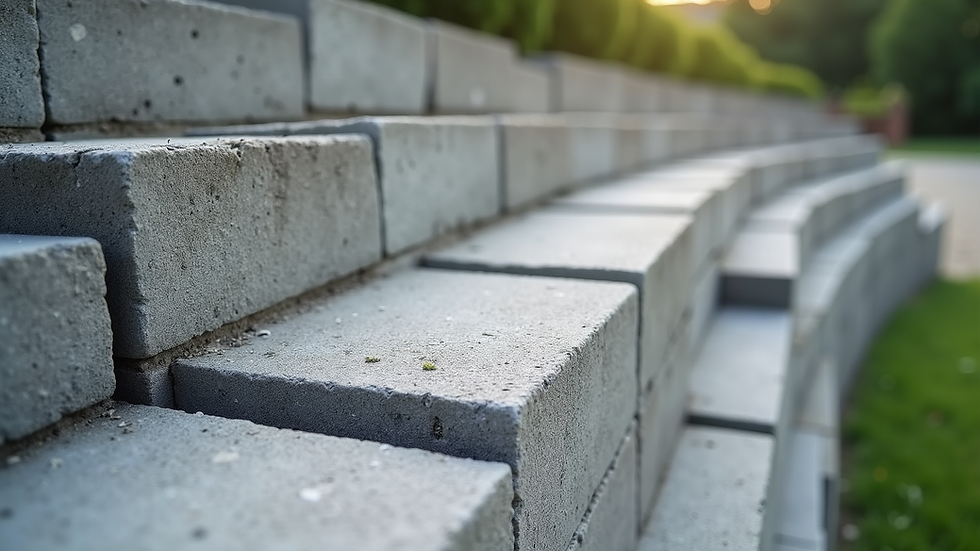
Concrete blocks. More than just building materials. They shape landscapes. Define boundaries. Create textures. I’ve seen them used in retaining walls, garden beds, and facades. Their strength supports heavy loads. Their design adds character.
Benefits? Plenty.
Durability: Weather-resistant. Long-lasting.
Aesthetic Variety: Colours, textures, shapes.
Cost-Effective: Affordable, low maintenance.
Eco-Friendly: Recyclable, energy-efficient.
Imagine a garden wall. Not just a barrier. A feature. A statement. Architectural concrete solutions make it possible. Blocks with patterns. Blocks with colours. Blocks that complement the environment.

Why Choose Architectural Concrete Solutions?
I focus on quality. On reliability. On style. Architectural concrete solutions offer all three. For homeowners, landscapers, and developers, the choice is clear.
Customisation: Blocks tailored to project needs.
Versatility: Indoor and outdoor use.
Ease of Installation: Saves time and labour.
Low Maintenance: Minimal upkeep required.
For commercial projects, these blocks provide structural integrity and visual appeal. For homes, they add charm and value. For landscapes, they create harmony and function.
What is the name for concrete block in architecture?
Concrete blocks go by many names. Commonly called CMUs (Concrete Masonry Units). Also known as breeze blocks, cinder blocks, or simply concrete blocks. In architecture, the term varies by region and use.
CMU: Standard term in construction.
Breeze Block: Decorative, often patterned.
Retaining Wall Block: Designed for soil retention.
Split Face Block: Rough texture for aesthetics.
Understanding these terms helps in selecting the right block. Each type serves a specific purpose. Each type adds a unique look.
Practical Uses of Architectural Concrete Blocks
I’ve seen these blocks in action. Here are some practical examples:
Retaining Walls
Holds back soil. Prevents erosion. Adds structure to sloped yards.
Garden Edging
Defines spaces. Keeps mulch and soil in place. Adds neatness.
Facade Cladding
Enhances building exteriors. Adds texture and colour.
Paving and Pathways
Durable surfaces. Easy to maintain. Stylish patterns.
Sound Barriers
Blocks noise. Creates privacy.
Each use combines form and function. Blocks that perform. Blocks that beautify.

Tips for Selecting the Right Blocks
Choosing blocks can be overwhelming. Here’s what I recommend:
Assess Project Needs: Structural or decorative?
Consider Environment: Weather, soil, exposure.
Choose Style: Smooth, textured, coloured.
Check Size and Weight: For handling and installation.
Source Locally: Support local suppliers. Reduce costs.
For Darwin’s climate, blocks must resist heat and humidity. Look for blocks with proven durability in tropical conditions.
Final Thoughts on Architectural Concrete Solutions
Form and function. Strength and style. Architectural concrete solutions deliver both. They transform spaces. They support structures. They last for decades.
For anyone building or landscaping in Darwin, these blocks are a smart choice. Accessible locally. Available online. Ready to meet your project needs.
Explore the possibilities. Discover the power of architectural concrete blocks. Build with confidence. Build with style.


Comments